
Details That Matter

The details may be quiet, but they shape how an object feels, functions and endures.

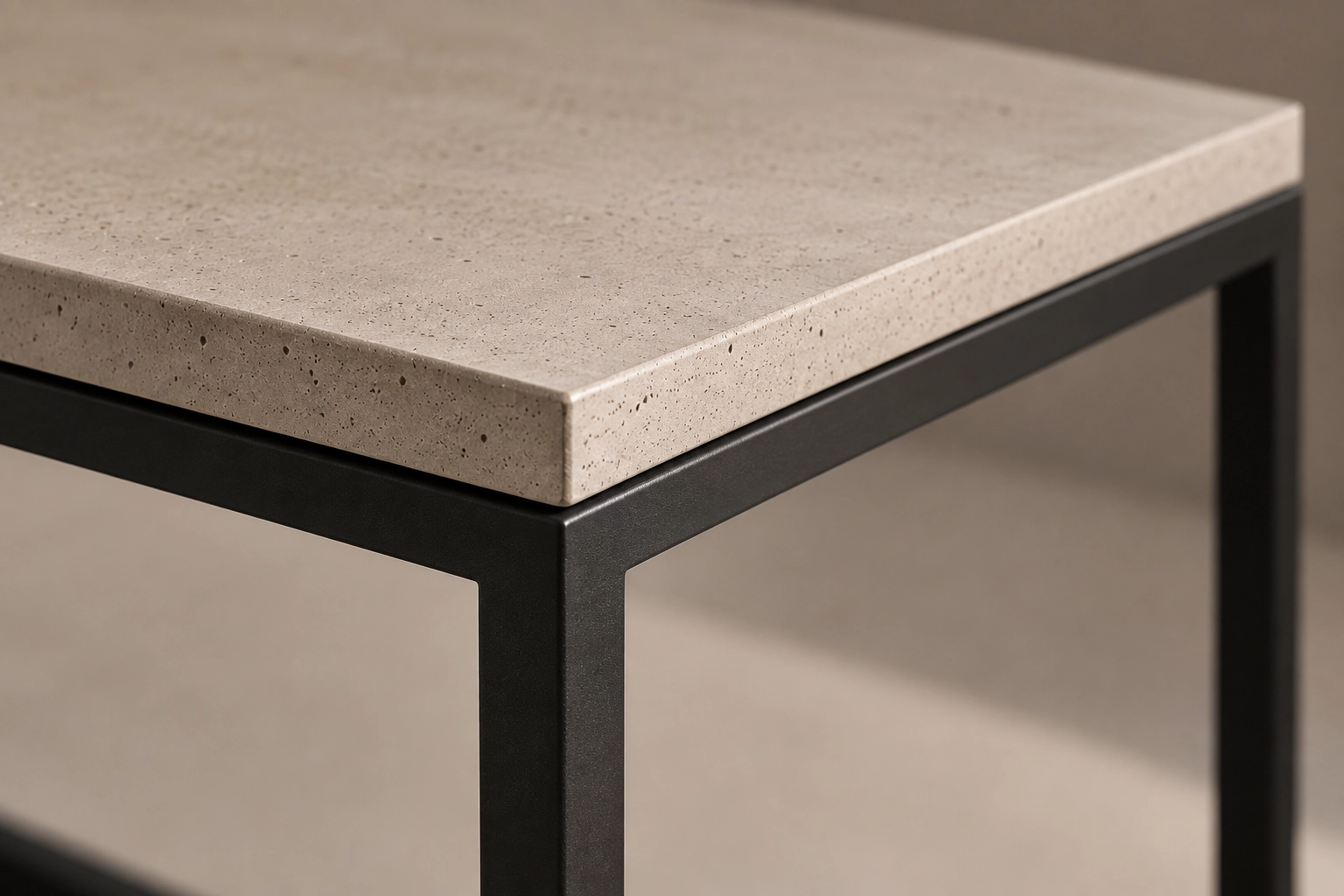
KATACHI Side Table with thin GFRC top and matte-black steel frame

The details of an object are often the easiest to overlook. A joint, an edge, a fixing or a change in material may occupy very little visual space, yet each contributes to how the finished piece feels and performs.

At KATACHI, these decisions are part of the design rather than something added afterwards. The quieter details are where proportion, construction and craftsmanship come together.

01 / 04

The details that matter are not always the details that ask to be noticed.

A clean edge, a precise joint or a carefully resolved connection can disappear into the whole object when it has been done well. Yet those decisions affect how the piece feels in the hand, how it sits in a room and how it performs over time.

Good craftsmanship is often most successful when it becomes almost invisible.

02 / 04

An object is rarely made from one material alone. The relationship between materials is part of its character.

Where GFRC meets steel, for example, the transition between the two becomes a design decision. Their different textures, edges and structural roles need to work together without one becoming unnecessarily dominant.

These moments are small, but they influence the coherence of the whole.

03 / 04

Much of the work that makes an object feel resolved happens before it is ever seen.

Measurements are refined. Connections are tested. Edges are considered. Surfaces are adjusted. Small decisions accumulate until the object begins to feel inevitable.

This is where craft becomes visible in the invisible — not through decoration, but through the care taken to make every part work together.

04 / 04

An object designed to endure is not defined only by the materials it uses. It is defined by how carefully those materials have been brought together.

Durability begins with decisions made early — how something is supported, how surfaces meet, how weight is distributed and how the object will be used over time.

The details matter because they become part of the experience of the object. They are what allow simplicity to remain convincing over time.

Details are where design becomes real.

KATACHI